
English


The Foger GT redefines the disposable vape category. Instead of discarding the entire device, only the pod is replaced — leaving the premium base unit in your hands forever.
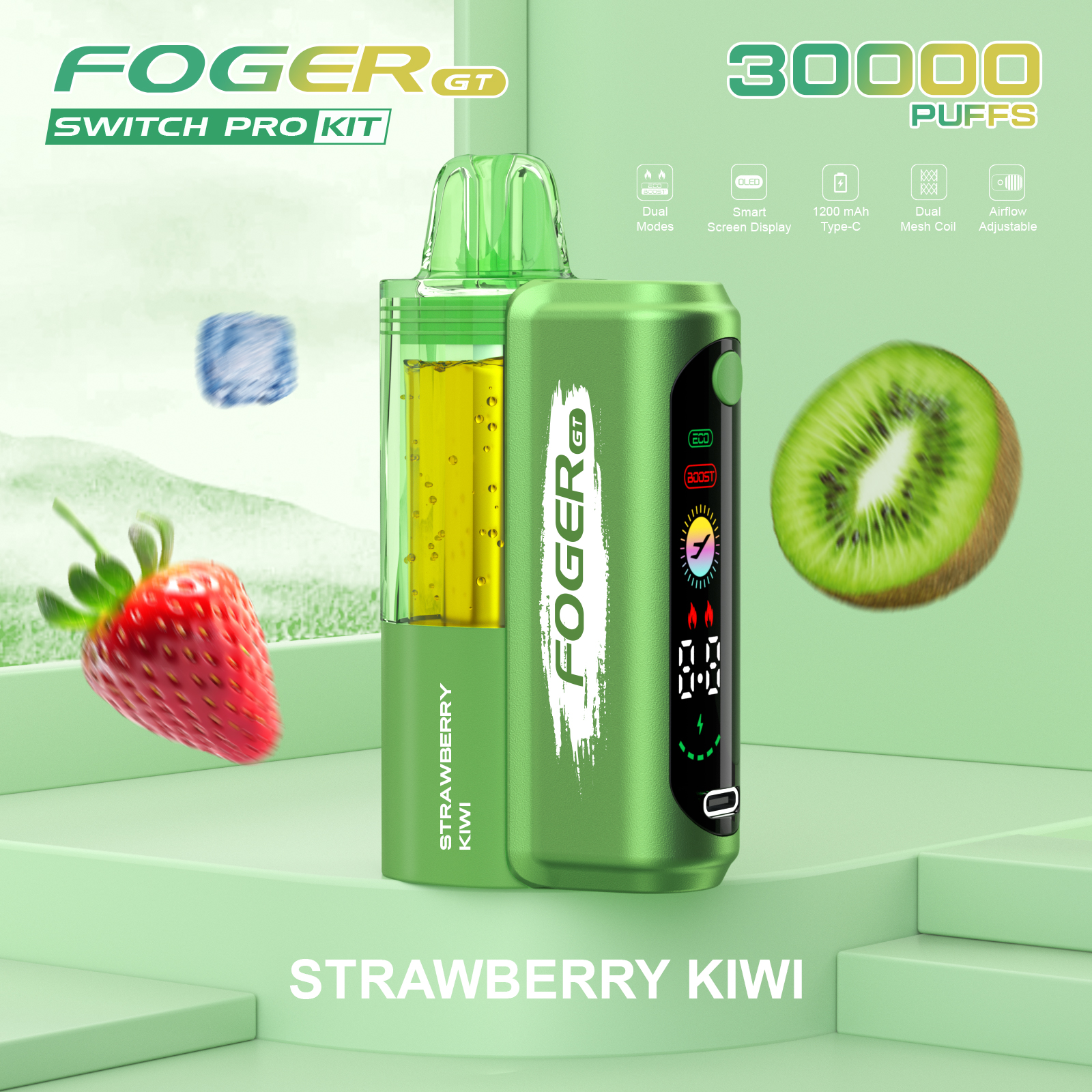

Designed with a transparent dual-flavor system, the device offers visible e-liquid quality, smooth flavor transitions, rich vapor performance, and a clean, refined taste experience that lasts longer.
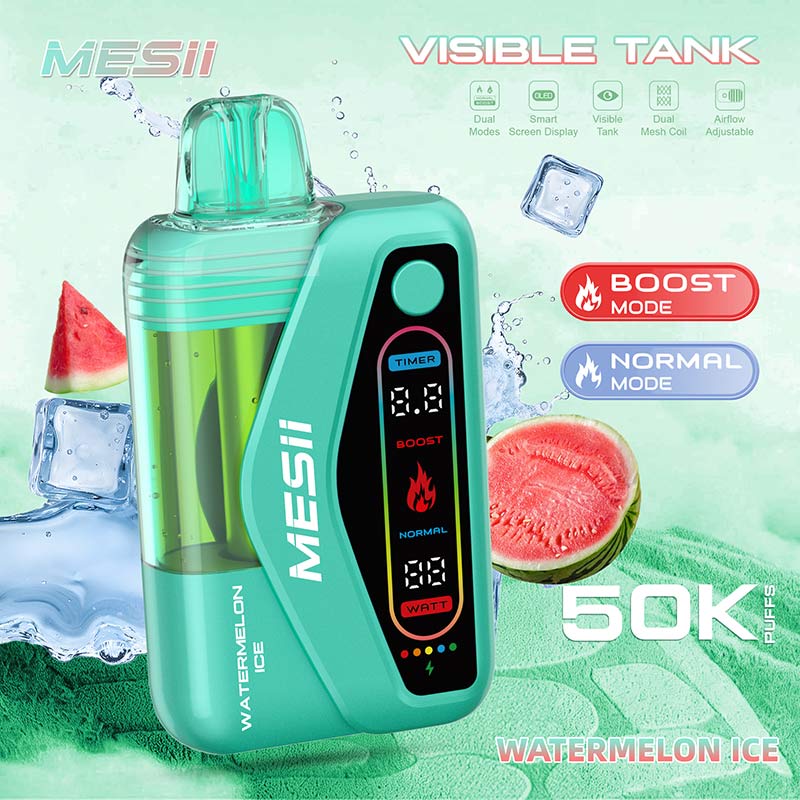
Built with a transparent visible tank and advanced dual mesh technology, the Mesii Visible Tank 50K delivers cleaner flavor, smoother vapor, and a longer-lasting vaping experience with up to 50,000 puffs.

Designed with an advanced triple-tank system, the MESII Magic X7 delivers 7 unique flavor combinations, smoother vapor performance, and up to 80,000 puffs of long-lasting enjoyment in one smart disposable device.

Why is your vape not working? This troubleshooting guide covers the 10 most common reasons a disposable or rechargeable vape may stop working, including battery, charging, airflow, and e-liquid issues. Learn how to diagnose the problem, apply simple fixes, and know when it's time to replace your device for a safer and more reliable vaping experience.

How to Make a Disposable Vape Not Taste Burnt: 8 Easy Fixes That Work (2026) If you're wondering how to make a disposable vape not taste burnt, you're not alone... A disposable vape tastes burnt when the cotton wick inside the coil dries out or overheats... Why Does a Disposable Vape Taste

Wondering whether a visible tank disposable vape is worth it? This guide compares visible tank and traditional disposable vapes, highlighting the differences in e-liquid visibility, dry hit prevention, troubleshooting, and everyday convenience. Find out which design offers the better vaping experience and why more high-puff disposable vapes are adopting visible tank technology.

Choosing the right nicotine strength can be confusing for beginners. This guide explains what 0%, 2%, 3%, and 5% nicotine mean, how nicotine percentages compare with mg/mL, and the difference between nicotine salts and freebase nicotine. Learn what to consider when comparing nicotine strengths and why a higher nicotine concentration is not automatically a better choice.

Not sure which nicotine strength to choose for your first vape? This beginner's guide explains the differences between 0%, 2%, 3%, and 5% nicotine, helping adult smokers and new vapers select the right strength based on their smoking habits, preferences, and vaping goals.

Not sure whether to choose a disposable vape or a pod system? This guide compares flavor, cost, battery life, maintenance, and overall performance to help you decide which device fits your vaping style. Learn the key differences between rechargeable disposable vapes and pod systems so you can make the right choice.

Wondering how to inhale a vape the right way? This beginner's guide explains Mouth-to-Lung (MTL) and Direct-to-Lung (DTL) techniques, common vaping mistakes, and practical tips to help you enjoy smoother draws, better flavor, and a more comfortable vaping experience.

